
- English
- Español
- Português
- русский
- Français
- 日本語
- Deutsch
- tiếng Việt
- Italiano
- Nederlands
- ภาษาไทย
- Polski
- 한국어
- Svenska
- magyar
- Malay
- বাংলা ভাষার
- Dansk
- Suomi
- हिन्दी
- Pilipino
- Türkçe
- Gaeilge
- العربية
- Indonesia
- Norsk
- تمل
- český
- ελληνικά
- український
- Javanese
- فارسی
- தமிழ்
- తెలుగు
- नेपाली
- Burmese
- български
- ລາວ
- Latine
- Қазақша
- Euskal
- Azərbaycan
- Slovenský jazyk
- Македонски
- Lietuvos
- Eesti Keel
- Română
- Slovenski
- मराठी
- Srpski језик

How Can Lace Fabric Transform Fashion Designs with Elegance and Versatility?
Article Summary
Lace fabric has remained a timeless textile choice because of its delicate appearance, artistic patterns, and ability to add sophistication to different fashion and decorative applications. From wedding dresses and evening gowns to accessories, home decoration, and creative craft projects, lace fabric provides designers with endless possibilities. However, selecting the right lace material, understanding quality differences, and ensuring durability are common challenges for buyers and manufacturers.
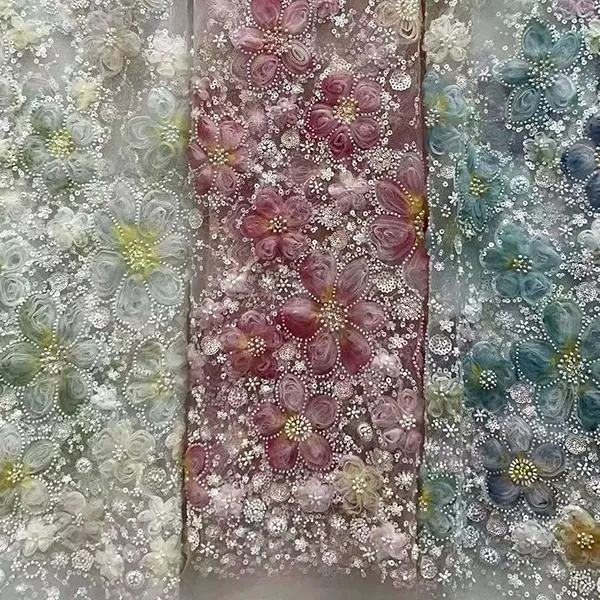
This article explores how lace fabric enhances modern designs, what factors influence its quality, how to choose suitable lace materials for different applications, and how professional suppliers help customers achieve reliable results. With advanced production techniques and customized solutions, NINGBO L&B IMPORT&EXPORT CO., LTD. provides high-quality lace fabric options designed to meet diverse market demands.
Table of Contents
- 1. Understanding the Unique Value of Lace Fabric
- 2. Why Lace Fabric Is Popular in Modern Fashion
- 3. How Lace Fabric Solves Common Design Challenges
- 4. Key Factors to Consider When Choosing Lace Fabric
- 5. Different Applications of Lace Fabric
- 6. How Professional Lace Fabric Suppliers Support Customers
- 7. Future Trends of Lace Fabric Development
- 8. Frequently Asked Questions About Lace Fabric
Article Outline
| Section | Main Topic | Key Information |
|---|---|---|
| 1 | Lace Fabric Features | Material characteristics, visual appeal, and design value |
| 2 | Fashion Applications | Why designers choose lace fabric for premium products |
| 3 | Selection Guide | Important considerations for quality and performance |
| 4 | Supplier Advantages | Customization, quality control, and professional support |
| 5 | Market Trends | Future opportunities and innovative applications |
1. Understanding the Unique Value of Lace Fabric
Lace fabric is a decorative textile known for its openwork structure, intricate patterns, and elegant texture. Unlike ordinary fabrics, lace creates a balance between transparency and decoration, allowing designers to develop products with depth, luxury, and visual interest.
Traditional lace was created through complex handmade techniques, but modern manufacturing technologies have made high-quality lace fabric more accessible while maintaining artistic details. Advanced embroidery methods, precision cutting, and decorative elements such as sequins and beads have expanded the creative possibilities of lace materials.
Modern lace fabric can combine beauty with functionality. Depending on the production process, it can offer softness, flexibility, durability, and excellent decorative performance. These advantages make lace an important material for fashion brands, garment manufacturers, and creative designers worldwide.
| Feature | Benefit |
|---|---|
| Elegant Patterns | Creates premium and sophisticated visual effects |
| Lightweight Structure | Improves comfort and wearing experience |
| Flexible Design Options | Supports different fashion and decoration requirements |
| Decorative Surface | Adds luxury details without complicated processing |
2. Why Lace Fabric Is Popular in Modern Fashion
Fashion trends continue to change, but lace fabric remains popular because it represents elegance, romance, and individuality. Designers use lace not only for traditional formal clothing but also for modern casual fashion, accessories, and creative products.
One major advantage of lace fabric is its ability to create premium appearances without requiring excessive additional decoration. A simple garment can immediately gain a refined style when combined with carefully designed lace details.
- Wedding Fashion: Lace adds romantic patterns and luxurious details to bridal gowns and accessories.
- Evening Wear: Designers use lace to create elegant dresses with sophisticated textures.
- Luxury Apparel: Lace provides high-end visual effects for premium clothing collections.
- Accessories: Lace can enhance handbags, scarves, gloves, and decorative items.
The growing demand for personalized fashion has also increased interest in customized lace fabric. Brands now seek unique patterns, colors, and decorative combinations to differentiate their products in competitive markets.
3. How Lace Fabric Solves Common Design Challenges
Many designers and manufacturers face challenges when selecting decorative fabrics. Common problems include inconsistent quality, limited design choices, difficult processing, and materials that do not meet final product expectations.
High-quality lace fabric helps solve these problems by providing reliable performance and creative flexibility.
| Customer Challenge | Lace Fabric Solution |
|---|---|
| Need for attractive designs | Rich embroidery patterns and decorative details create unique appearances |
| Difficulty finding suitable materials | Multiple textures, colors, and customization options provide flexibility |
| Concern about durability | Professional production methods improve fabric strength and stability |
| Need for brand differentiation | Customized lace designs support exclusive product development |
For example, lace fabric with sequins and beads can create additional shine and three-dimensional effects. This type of decorative textile is especially suitable for fashion products that require strong visual impact.
4. Key Factors to Consider When Choosing Lace Fabric
Choosing the right lace fabric requires careful evaluation of material quality, design requirements, and application conditions. Buyers should consider several important factors before placing orders.
- Material Composition: Different fibers influence softness, elasticity, breathability, and durability.
- Pattern Quality: Clear embroidery details and consistent patterns improve product appearance.
- Color Stability: High-quality dyeing processes help maintain long-lasting colors.
- Processing Compatibility: The fabric should work well with cutting, sewing, and garment production methods.
- Customization Capability: Professional suppliers should provide options based on customer design requirements.
A reliable lace fabric supplier should not only provide attractive products but also offer technical support, quality inspection, and flexible solutions for different industries.
5. Different Applications of Lace Fabric
The versatility of lace fabric allows it to be used across multiple industries. Its combination of beauty and functionality makes it suitable for both commercial production and creative projects.
| Application | Usage Examples |
|---|---|
| Fashion Industry | Dresses, skirts, blouses, bridal gowns, and luxury garments |
| Home Decoration | Curtains, decorative covers, and interior accessories |
| Craft Industry | Handmade decorations and creative projects |
| Accessories | Bags, shoes, hair accessories, and gift packaging |
Because lace fabric can be adapted to different creative concepts, it continues to inspire designers who want to combine traditional elegance with modern aesthetics.
6. How Professional Lace Fabric Suppliers Support Customers
Working with an experienced supplier can significantly improve product development efficiency. Professional suppliers understand market requirements and provide solutions that help customers reduce risks during production.
NINGBO L&B IMPORT&EXPORT CO., LTD. focuses on supplying quality lace fabric products with attention to design details, production consistency, and customer requirements. By combining textile expertise with customized service capabilities, the company helps customers find suitable lace solutions for different applications.
- Wide selection of lace fabric designs and decorative styles
- Support for customized patterns and specifications
- Strict attention to product quality and manufacturing standards
- Professional communication and international trade experience
A dependable supplier becomes not only a material provider but also a long-term partner that supports product innovation and business growth.
7. Future Trends of Lace Fabric Development
The lace fabric market continues to evolve as consumers demand more personalized, sustainable, and creative textile products. Future development will focus on combining traditional craftsmanship with modern technology.
- Customized Designs: More brands will seek exclusive lace patterns to create unique products.
- Sustainable Materials: Environmentally friendly fibers and production methods will become increasingly important.
- Advanced Decoration: Embroidery, beads, sequins, and digital technologies will create more innovative textures.
- Cross-Industry Applications: Lace will expand into lifestyle products and creative decoration fields.
As fashion continues to emphasize individuality and artistic expression, lace fabric will remain an important material for designers around the world.
8. Frequently Asked Questions About Lace Fabric
Q1: What makes lace fabric different from regular fabric?
Lace fabric features decorative openwork structures and detailed patterns that create a unique visual effect. It provides both functional textile properties and artistic value.
Q2: Can lace fabric be customized?
Yes. Many professional suppliers offer customization options including patterns, colors, embroidery styles, and decorative elements according to customer requirements.
Q3: Is lace fabric suitable for clothing production?
Yes. Lace fabric is widely used for dresses, bridal wear, evening gowns, fashion accessories, and other garments because of its elegance and flexibility.
Q4: How can buyers choose high-quality lace fabric?
Buyers should evaluate material quality, pattern precision, color stability, durability, and supplier experience before making a purchasing decision.
Q5: Why choose NINGBO L&B IMPORT&EXPORT CO., LTD. for lace fabric?
NINGBO L&B IMPORT&EXPORT CO., LTD. provides professional lace fabric solutions with attention to product quality, design variety, and customer-specific requirements, helping businesses develop attractive textile products.
Create More Elegant Products with Premium Lace Fabric
Choosing the right lace fabric can significantly improve the appearance, quality, and market competitiveness of fashion and decorative products. With professional manufacturing support and customized solutions, businesses can achieve unique designs while maintaining reliable production performance.
For high-quality lace fabric solutions, innovative designs, and professional textile support, contact NINGBO L&B IMPORT&EXPORT CO., LTD. today and let our team help you develop outstanding products with beautiful lace materials. Contact us to explore more possibilities.