Article Summary
Embroidery lace is a refined textile material widely used in fashion, home décor, and industrial fabric applications.
It combines intricate stitching techniques with delicate base fabrics to create decorative patterns that are both functional and aesthetic.
This article explores how embroidery lace is made, its key production processes, material characteristics, and how it is applied across different industries.
It also provides a practical guide for buyers and designers seeking to choose the right lace specifications for various use cases, including quality comparison, fabric compatibility, and production considerations.
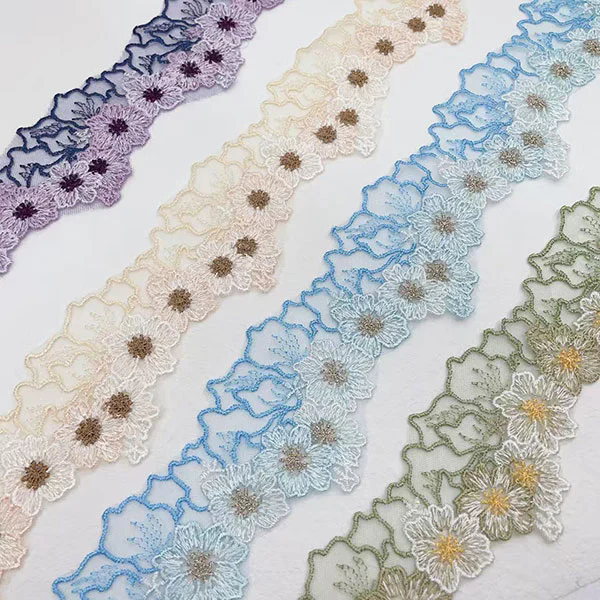
Overview of Embroidery Lace
Embroidery lace is a decorative textile created by stitching threads onto a base fabric or mesh to form intricate patterns.
Unlike woven lace, embroidery lace relies on machine or manual stitching techniques that allow greater flexibility in design complexity, density, and texture.
It is commonly used in garments such as dresses, bridal wear, lingerie, and haute couture fashion, as well as in curtains, table linens, and upholstery.
The versatility of embroidery lace comes from its ability to combine aesthetic beauty with structural adaptability, making it suitable for both lightweight and reinforced fabric applications.
How Embroidery Lace Is Manufactured
The manufacturing of embroidery lace involves multiple stages that require precision machinery, skilled design input, and quality-controlled production environments.
Modern textile factories rely heavily on computerized embroidery machines to achieve consistency and efficiency.
Core production stages include:
-
Design development: Patterns are created using digital embroidery software.
-
Fabric selection: A suitable base such as mesh, tulle, or organza is selected.
-
Thread selection: Polyester, cotton, rayon, or metallic threads are chosen based on design requirements.
-
Embroidery stitching: Automated machines stitch the lace patterns onto the base fabric.
-
Finishing process: Includes washing, trimming excess threads, and shaping edges.
-
Quality inspection: Each roll or piece is checked for uniformity and defect-free patterns.
At advanced production facilities such as those operated by NINGBO L&B IMPORT&EXPORT CO., LTD., the emphasis is placed on precision embroidery control systems that ensure pattern clarity, stitch density consistency, and high production efficiency.
Key Materials and Fabric Types
The quality and appearance of embroidery lace depend heavily on the combination of base fabrics and embroidery threads used.
Each material contributes unique characteristics such as softness, durability, elasticity, and visual texture.
|
Material Type
|
Characteristics
|
Common Usage
|
|
Polyester Thread
|
Durable, cost-effective, colorfast
|
Mass production garments, decorative trims
|
|
Cotton Thread
|
Natural texture, breathable, soft
|
Premium clothing, vintage designs
|
|
Rayon Thread
|
Silky shine, smooth finish
|
Fashion apparel, luxury dresses
|
|
Mesh Base Fabric
|
Lightweight, transparent structure
|
Bridal wear, evening gowns
|
|
Organza Base
|
Stiff texture, elegant appearance
|
Formal wear, stage costumes
|
The combination of these materials determines the final lace performance in terms of flexibility, durability, and decorative appeal.
Applications Across Industries
Embroidery lace is not limited to fashion alone; it plays an important role in multiple industries where aesthetic enhancement and material refinement are required.
-
Fashion Industry: Bridal gowns, evening dresses, skirts, and blouses.
-
Home Textiles: Curtains, pillow covers, tablecloths, and bedding decoration.
-
Costume Design: Theater costumes, dance outfits, and stage performance wear.
-
Accessories: Bags, hats, scarves, and decorative trims.
-
Craft and DIY: Scrapbooking, handmade decoration, and textile art projects.
The flexibility of embroidery lace allows designers to integrate it into both minimalist and highly decorative styles, making it a key material in modern textile innovation.
How to Choose the Right Embroidery Lace
Selecting the appropriate embroidery lace requires evaluating multiple technical and aesthetic factors to ensure compatibility with the final application.
Key selection criteria include:
-
Pattern density: Determines how detailed or open the lace design appears.
-
Fabric weight: Impacts drape and garment structure.
-
Color fastness: Ensures long-term appearance stability after washing.
-
Elasticity: Important for fitted garments and stretch applications.
-
Application environment: Indoor décor vs. wearable textile requirements.
Suppliers such as NINGBO L&B IMPORT&EXPORT CO., LTD. provide a wide range of customizable embroidery lace options,
allowing buyers to adjust pattern design, material composition, and production specifications based on project requirements.
Quality Standards and Inspection Factors
High-quality embroidery lace must undergo strict inspection processes to ensure uniformity and defect-free production.
The evaluation typically includes both visual and structural assessments.
-
Pattern alignment consistency
-
Stitch density uniformity
-
Edge finishing quality
-
Thread breakage absence
-
Color uniformity across batches
Manufacturers maintain standardized production protocols to ensure that each roll of lace meets customer expectations for durability and design precision.
Care and Maintenance Guidelines
Proper care extends the lifespan of embroidery lace and preserves its decorative appeal.
Due to its delicate structure, handling must be done with attention to cleaning methods and storage conditions.
-
Hand wash recommended for delicate lace items
-
Use mild detergent to avoid fiber damage
-
Avoid high-temperature washing or drying
-
Store in dry, ventilated areas to prevent moisture damage
-
Iron at low temperature with protective cloth layer
Following these maintenance guidelines helps preserve lace integrity, especially in premium fashion and decorative applications.
Frequently Asked Questions
Q1: What makes embroidery lace different from woven lace?
Embroidery lace is created by stitching patterns onto a base fabric, while woven lace is formed through interlacing threads during weaving.
Q2: Can embroidery lace be customized?
Yes, embroidery lace can be customized in terms of pattern design, material selection, color, and density depending on production requirements.
Q3: Is embroidery lace suitable for everyday clothing?
It can be used in everyday clothing when designed with durable materials and appropriate density for comfort and wear resistance.
Q4: How long does embroidery lace typically last?
With proper care, high-quality embroidery lace can last for many years without losing its structural integrity or visual appeal.
Conclusion and Contact Information
Embroidery lace remains one of the most versatile and aesthetically valuable textile materials in modern fabric production.
Its combination of design flexibility, material adaptability, and decorative richness makes it essential in fashion, home décor, and creative textile industries.
With advanced manufacturing capabilities and strict quality control, NINGBO L&B IMPORT&EXPORT CO., LTD. provides reliable embroidery lace solutions tailored to diverse market needs,
ensuring consistent quality and design excellence across global applications.
For detailed product specifications, customization options, or wholesale inquiries, please contact us to explore professional embroidery lace solutions designed to meet your project requirements.